Network Reflections: What to watch in 2026
At the start of the new year, members of the European Leadership Network’s senior and younger-generation leaders’ networks offer their perspectives on their defining issue or policy trend to watch in 2026.
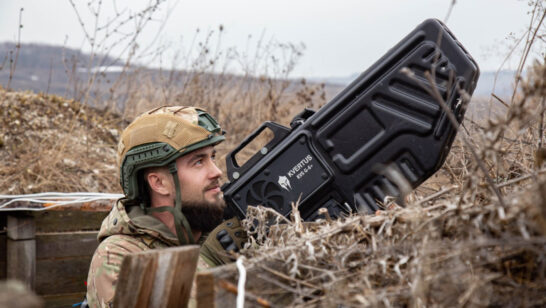
Russia’s full-scale invasion of Ukraine has made drone warfare a defining feature of modern conflict. Yet NATO and EU states continue to rely on interceptor systems that cost orders of magnitude more than the drones they are meant to destroy. Drawing on lessons from Ukraine’s battlefield experience, Gabriella Calder argues that European allies must urgently scale up affordable, interoperable counter-drone technologies, or risk exhausting their arsenals before deterrence can take hold.
Conflict is rising, institutions are strained, and fragmented interventions yield fragile gains. Robert J. Berg and Chair of the ELN, Lord Des Browne, propose a nationally led, evidence-based peacebuilding paradigm that scales beyond pilots and designs interventions to achieve lasting impact. Core elements include citizen-driven diagnostics, alignment with key public policies, police and military reform where necessary, investment in education and media, and the responsible use of technology. To catalyse this shift, they propose an International Fund for Peace.

The world today stands closer to nuclear catastrophe than at any point since the end of the Cold War. Conflicts involving nuclear-armed states could all too easily escalate to a nuclear confrontation, as global arms control treaties collapse. Steve Barwick, Chair of the Nuclear Education Trust, calls for the UK, as the chair of the group of five ‘official’ nuclear weapon states in the run-up to the 2026 NPT Review Conference, to reject nuclear sharing and prioritise transparency, reinvigorate global nuclear diplomacy, adopt a no-first-use policy, and engage with the TPNW.
The current debate around a possible resumption of nuclear testing introduces a new level of brinkmanship in an already fraught geopolitical climate. As the testing moratorium risks being weaponised for great-power competition, ELN Senior Policy Fellow Julia Berghofer writes that European states, including nuclear-armed ones, must speak with one voice and make clear that nuclear testing is unwise, unnecessary, and unwelcome.
Following recent signals between the US and Russia over the possibility of renewed nuclear testing, we asked members to reflect on what this could mean for the broader global non-proliferation and arms control regime.
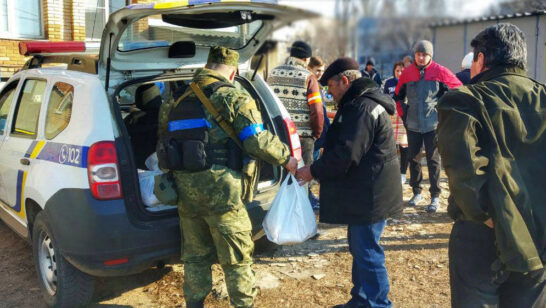
Development aid faces unprecedented disruption following Russia’s invasion of Ukraine and USAID’s 2025 withdrawal, leaving vulnerable states exposed. The YGLN’s Economy Working Group consulted with analysts and practitioners on the ground to gain a deeper understanding of their perspectives on the cessation of aid and their future outlook. Experts urge renewed democratic aid, stronger EU commitment, transparency, and vigilance against authoritarian influence.
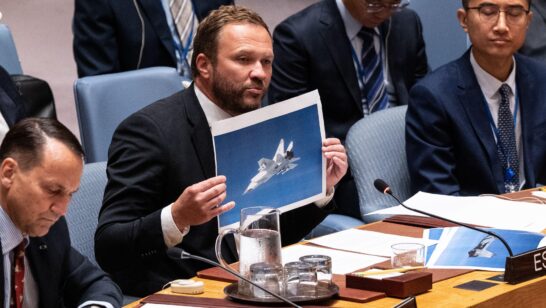
The recent violations of Allied airspace represent an unprecedented escalation of tensions between NATO and Russia. Matus Halas writes that NATO must try to protect its airspace against unauthorised activities, but the inconsistency of approach within NATO makes deterrence harder. While different incursions must be treated differently, there needs to be consistency both over time and across member states.
Putin’s proposal to extend the nuclear weapons treaty for a year has been met with silence from most European leaders so far. ELN Senior Policy Fellow Julia Berghofer writes that there are legitimate concerns over the sincerity of Russia’s proposal, but the West should not let go of an opportunity to leverage Russian interests. While Europeans have only a limited role to play, they must still try their best to influence the process.