Skip to content

Euro-Atlantic Security

This programme looks at the security environment in the Euro-Atlantic area, especially at the challenges connected with the deterioration of relations between Russia and the West. It analyses the consequences for national governments, the EU, NATO and the OSCE and offers recommendations on future policy.

Latest Publications

Commentary

Is this the end of automatic Atlanticism in Germany?

Germany is entering a new era in its relationship with the United States. The old Atlanticist reflex has not disappeared, however it no longer reflects the instincts of the next generation of senior officials. For them, the moral clarity of the Cold War is not the starting point. It is an era of disruption, doubt, and strategic volatility. Berlin should take this into account, writes Vincent Tadday. The future of the transatlantic relationship will not be secured by waiting for the past to return.

5 May 2026 | Vincent Tadday
Commentary

Different roles, shared outcomes: Europe in the Indo-Pacific

At NATO headquarters and in European chancelleries, a new consensus has emerged: the security of the Euro-Atlantic and the Indo-Pacific is indivisible. Yet Europe’s major powers are responding to this reality in strikingly different ways. As Harvard Kennedy School Fellow Joel Christoph writes, this divergence is not a weakness to be papered over. It is an asset that should be organised.

29 April 2026 | Joël Christoph
Commentary

A tale of two summits

Around the political NATO Summit in the Hague last week, with its limited ambition to make Donald Trump happy again, a less visible and much more productive summit occurred, writes ELN Senior Network Member Nicholas Dungan. Concentrating on what Europe needs to do to increase European deterrence, efficiency, and resilience, it produced sound thinking and actionable proposals.

1 July 2025 | Nicholas Dungan
Commentary

Europe’s dark future: How might a protracted conflict between Russia and Ukraine affect Europe?

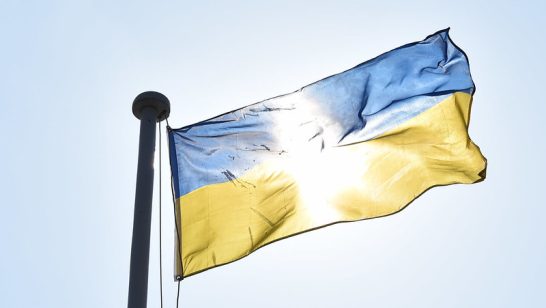
As the situation on the battlefield has changed in recent months to the detriment of Ukraine, a “prolonged war” where there is no decisive military victory on either side is the most likely scenario, writes ELN Policy Fellow Katia Glod. Based on a scenario-building workshop with experts from Ukraine, Russia, and wider Europe, she outlines what implications this could have for Europe and how the EU and UK can prepare for it.

3 May 2024 | Katia Glod
Commentary

No future? Cooperation with younger generation Russian experts

In an excerpt from her new book “The New Cold War”, ELN Senior Policy Fellow Julia Berghofer writes that despite the challenges, the West needs to maintain certain channels of communication beyond the political and military level. Contact with a younger generation of Russian security experts, civil society activists, and political scientists is essential for a safer Europe.

27 March 2024 | Julia Berghofer
Commentary

Ukraine needs more than bangers and mash: Envisioning a strategic goal for NATO

On NATO’s 75th anniversary, and as Russia’s full-scale invasion of Ukraine enters its third year, Dr Leon Hartwell calls on NATO member states with larger economies to match the economic contributions to Ukraine of smaller NATO countries, as a percentage of GDP. He argues that if NATO properly utilised its economic advantage over Russia, Ukraine would then have the necessary capacity to win on the battlefield.

7 March 2024 | Dr Leon Hartwell

Task Force on Greater Cooperation in Europe

The Task Force, a select group of senior statesmen and women drawn from the key states of greater Europe, brings forward proposals to allow all countries of the region to decisively break with the costly legacy of the Cold War and focus more effectively on meeting the emerging political, economic, and security challenges of the 21st century.

Latest Events