
Kjølv Egeland is a senior research scientist at the Norwegian research institute NORSAR. Prior to joining NORSAR, Kjølv was a postdoctoral fellow in security studies at the Centre for International Studies at Sciences Po in Paris. Kjølv’s research interests centre on multilateral diplomacy, arms control, and the intersection of international politics and law. He holds a PhD in International Relations from the University of Oxford and an MPhil in Peace and Conflict Studies from the University of Oslo.
Kjølv Egeland
Senior Research Scientist at the Norwegian research institute NORSAR
Content by Kjølv Egeland
Commentary
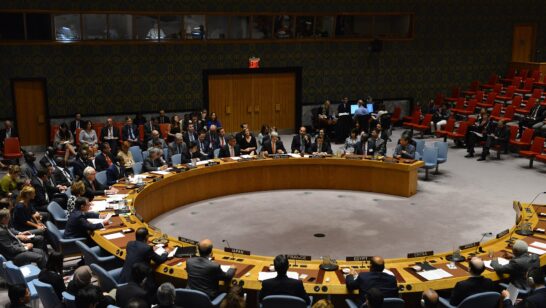
The Nuclear Test Ban and Europe’s next security order
Three decades since the Comprehensive Nuclear-Test-Ban Treaty (CTBT) opened for signature, many of the legal frameworks underpinning Europe’s security have eroded. What can the test-ban regime teach us about building a new European security architecture? Kjølv Egeland argues that a new one must be designed before it can be built.
Policy brief
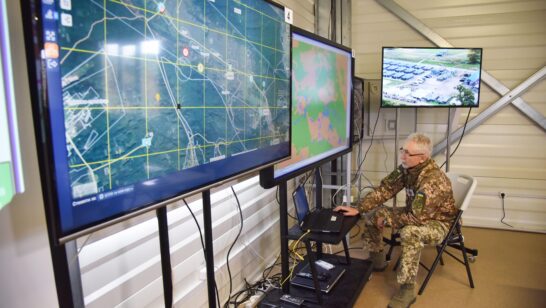
Widening the ceasefire toolkit: The promise of geophysical monitoring in Ukraine and beyond
Any monitoring mission deployed to observe an end to the hostilities in Ukraine is likely to incorporate a range of remote-sensing technologies to support its verification activities. Drawing on insights from the Norwegian research institute NORSAR’s real-time monitoring of the 2022 Ukraine conflict, this policy brief by Ben D.E. Dando, Kjølv Egeland, and Sebastian Schutte, finds that scientific advances and a growing availability of relevant data have made ‘seismo-acoustic’ analysis a cost-effective means of complementing, backing up, and in some cases replacing other ceasefire monitoring technologies.

Commentary
Kill the NPT Collapse Thesis
The Nuclear Non-Proliferation Treaty (NPT) is often alleged to be at risk of “crumbling” or “damaged beyond repair”. Kjølv Egeland, Fellow at the Norwegian Academy of International Law, argues that this fear-mongering is unfounded. The NPT is one of the most widely supported international agreements that exist today. The challenge facing its supporters is not damage-limitation or “protecting what we’ve got” but extending the disarmament norm.