
In a new article for Arms Control Today, Dr Katarzyna Kubiak analyses European perspectives on the impending U.S. withdrawal from the INF Treaty. Although the ultimate decision belongs to Washington, which has yet to deliver the official withdrawal notification to Russia, its execution will incur serious implications for European security, NATO cohesion, and the future of arms control. (Subscrp. req.)
Media coverage
| 6 December 2018
Katarzyna Kubiak on INF for Arms Control Today
Related content

Policy brief
The demise of the INF Treaty: What are the consequences for NATO
Drawing on their experience of working at NATO, Senior Associate Fellows Nicholas Williams and Simon Lunn explore parallels in the debate between the 1979 Dual Track decision and the current situation.
Commentary
A more European NATO, but who leads?
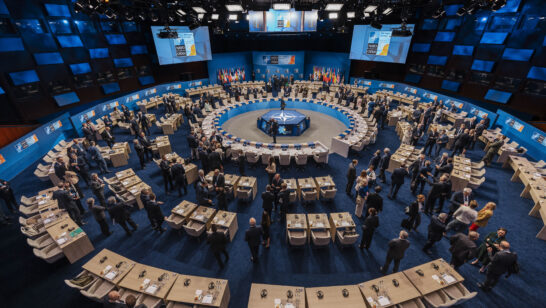
NATO’s ongoing adaptation process and unilateral US decisions have created the foundations for a larger European role in transatlantic security, writes ELN Programme Lead Alexander Graef. Whether Europeans can sustain that role politically remains uncertain. The value of the alliance’s upcoming summit may therefore ultimately lie in whether it helps Europeans begin addressing the political implications of a military transformation that is already underway.

Commentary
Standing up to Russian war crimes
Russia’s war in Ukraine has already devastated Ukraine, and the situation could get even worse: Carlo Trezza argues that Russia could, for example, resort to chemical and/or nuclear weapons. To stand up to Russia’s aggression, there are many actions that both NATO and the UN can take to pressure Russia.